

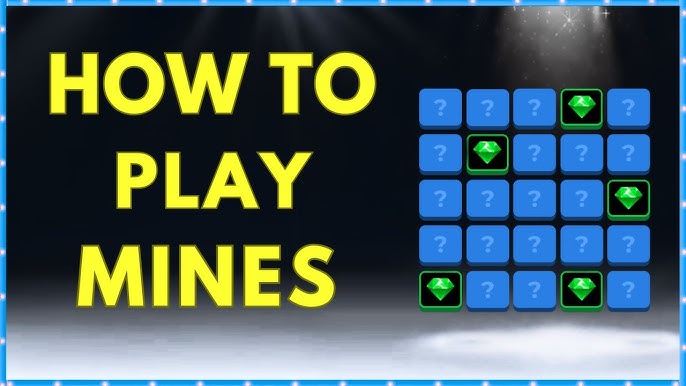
Mines is one of the most popular modern casino-style games because it combines simple mechanics with strong strategic depth. At first glance it may look like a pure luck-based game, but in reality it rewards careful decision-making, risk management, and disciplined play. The core idea is straightforward: you reveal tiles on a grid while trying to avoid hidden mines and collect as many rewards as possible before choosing to cash out.
What makes Mines especially engaging is that every click carries weight. One wrong move can end the round instantly, while smart decisions can steadily increase your winnings. This balance between risk and reward is what keeps players coming back.
What Is Mines?
Mines is an online casino game built around a grid-based system where each tile hides either a reward or a mine. The structure is inspired by classic mine-clearing logic games, but with real-money betting elements that increase both tension and excitement.
Instead of relying only on chance, Mines allows players to apply strategy and probability thinking. Every round presents a new arrangement of hidden mines, meaning no two games are ever the same. This randomness forces players to constantly adapt their approach depending on risk tolerance and current bankroll.
The goal is not simply to uncover tiles, but to decide when to stop. The longer you continue revealing safe tiles, the higher your potential multiplier becomes, but the risk of hitting a mine also increases with every step.
Understanding the Basics of Mines
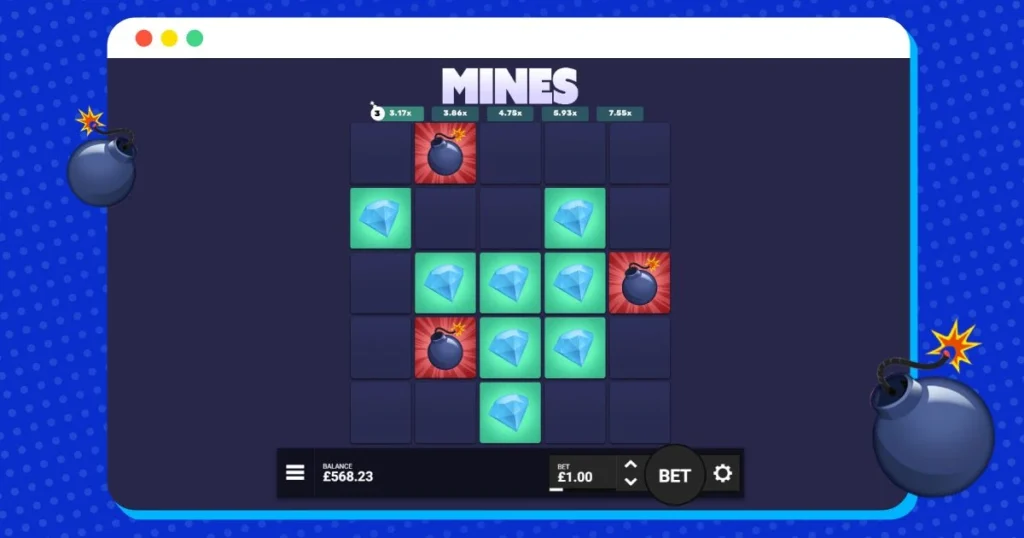
Before developing strategies, it is important to understand how the game actually functions. Mines is played on a square grid that can vary in size, typically ranging from small setups like 3×3 layouts to much larger grids such as 9×9. Inside this grid, a certain number of tiles contain mines while the rest contain hidden rewards, usually in the form of gems.
Each time you click on a tile and reveal a gem, your potential winnings increase. However, if you uncover a mine, the round ends immediately and the entire bet is lost. This creates constant tension between continuing for higher rewards or cashing out early to secure profits.
Players have full control over when to stop. At any moment after revealing safe tiles, it is possible to cash out and lock in the current multiplier. This decision-making element is what makes Mines more strategic than many other casino games.
Basic Mines Strategies
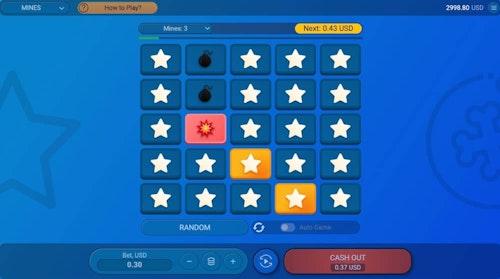
For beginners, success in Mines often depends more on discipline than complex tactics. One of the most common approaches is to reduce risk by keeping the number of mines low. When fewer mines are on the board, the probability of safely uncovering tiles increases, even if the potential payout is smaller. This approach focuses on consistency rather than chasing large wins.
Another widely used method is careful cash-out timing. Instead of trying to clear large portions of the grid, many players prefer to take smaller, more frequent wins. This helps reduce emotional decision-making and prevents the common mistake of continuing too long after already securing profit.
Practice also plays an important role. Many casinos offer demo versions of Mines where players can explore different grid sizes and mine distributions without risking real money. This allows users to better understand how often mines appear in certain situations and how quickly risk escalates as more tiles are revealed.
Bankroll control is equally important. Setting a clear budget before playing helps prevent emotional betting and ensures that losses remain manageable. Since Mines is fast-paced, without limits it becomes easy to overspend in a short period of time.
Advanced Strategies for Experienced Players
As players gain experience, they often begin to develop more structured and analytical approaches. One advanced idea is based on improving control over risk by carefully selecting which tiles to open instead of clicking randomly. Over time, players start forming personal patterns or systems that help them reduce unnecessary risks.
Some experienced players focus on probability awareness across the entire grid rather than individual tiles. By considering how mines might be distributed overall, they try to make more informed decisions about which areas of the board are safer to explore. While this does not eliminate randomness, it helps guide more disciplined choices.
Speed and precision also become more important at higher levels of play. Avoiding misclicks and maintaining consistent decision-making reduces unnecessary losses. At this stage, Mines becomes less about guessing and more about maintaining control under pressure.
Even advanced players still rely heavily on limits. Knowing when to stop is often more valuable than trying to maximize every round, since overextending is one of the most common reasons for losing accumulated winnings.
Step-by-Step Gameplay Process
A typical round of Mines begins by selecting your bet size and choosing how many mines will be placed on the grid. Once the round starts, you begin clicking tiles one by one, revealing either gems or mines. Each successful reveal increases your potential payout, and you can decide at any moment to cash out and secure your winnings.
If a mine is revealed at any point, the round ends immediately and the entire stake is lost. Because of this, every decision during gameplay directly affects the outcome, making timing and caution essential elements of success.
Winning Strategies for Mines
Many players combine different approaches to improve their long-term results. Some prefer to start with small bets and gradually increase them only after successful rounds, allowing them to build confidence without risking too much at once. Others focus on safer gameplay by revealing only a limited number of tiles before cashing out, ensuring steady but smaller profits.
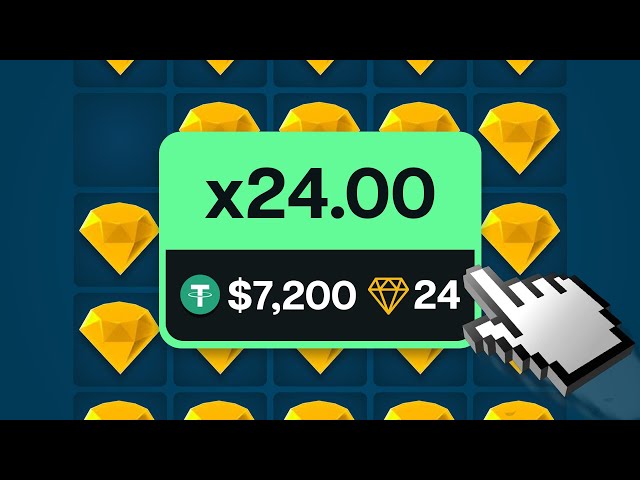
There are also more aggressive approaches where players attempt to uncover more tiles in pursuit of higher multipliers. While this can lead to larger payouts, it also significantly increases the risk of hitting a mine, making it suitable only for those with strong bankroll management.
Regardless of the approach, discipline remains the most important factor. Players who consistently follow their strategy and avoid emotional decisions tend to perform better over time.
Tips for Success in Mines
One of the most important habits in Mines is patience. Rushing decisions often leads to mistakes, while a more careful approach allows players to evaluate risk more effectively. Observing the board and thinking a few steps ahead can make a significant difference in results.
Another key factor is practice. Using demo modes or low-stake games helps players build familiarity with the mechanics and understand how quickly risk increases as more tiles are revealed.
Bonuses and promotions can also be useful, as they provide extra playtime and allow players to test strategies without increasing personal financial risk. However, they should still be used responsibly and not seen as guaranteed profit opportunities.
Common Mistakes to Avoid
One of the biggest mistakes players make is clicking randomly without any strategy or observation. This turns Mines into pure gambling rather than a controlled decision-based game. Another frequent issue is increasing bets too quickly after losses, which often leads to rapid bankroll depletion.
Greed after early success is also a common problem. Many players continue revealing tiles even after reaching a reasonable profit level, only to lose everything in a single mistake. Similarly, repeatedly restarting rounds without a clear plan increases risk exposure and reduces consistency.
Beginners should also avoid high-mine configurations at the start. These setups are significantly more volatile and require experience to manage effectively.
Conclusion
Mines is a unique blend of strategy, probability, and controlled risk-taking. While the game is simple to understand, mastering it requires discipline, patience, and careful decision-making. There is no guaranteed method to consistently win, but players who manage their bankroll wisely and stick to structured strategies tend to perform much better over time.
Ultimately, success in Mines comes down to knowing when to take risks and, more importantly, when to stop.

